
Bruce Sudano è un cantautore e autore statunitense dalla scrittura sensibile e profondamente connessa al presente. La sua musica attraversa temi sociali, fragilità umane e contraddizioni contemporanee, mantenendo sempre uno sguardo lucido.
Nel corso della sua carriera ha firmato brani per artisti iconici come Dolly Parton, Reba McEntire e Michael Jackson, collaborando anche con Jermaine Jackson. Fondamentale il sodalizio con Donna Summer, nato nel 1977 con i Brooklyn Dreams e diventato poi un legame artistico e personale.
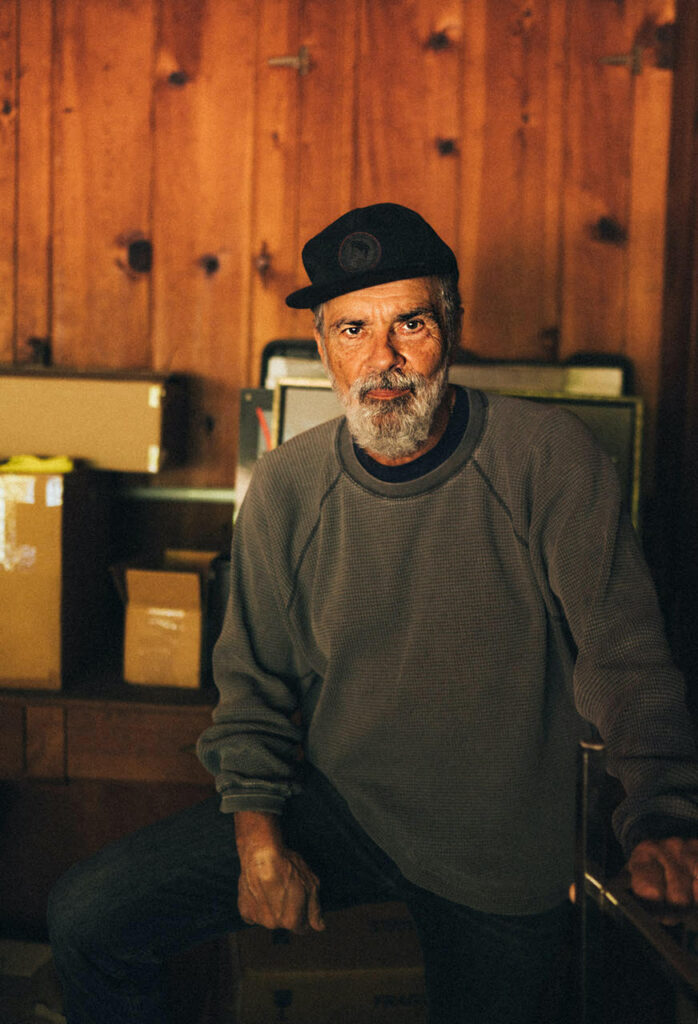
Con Sketch Book (in uscita il 10 aprile 2026), Sudano offre un lavoro intimo e essenziale: una raccolta di “schizzi” musicali che, uniti, compongono un ritratto autentico del suo universo creativo. Riducendo gli arrangiamenti all’essenziale, mette al centro parola, melodia e intenzione, restituendo all’ascoltatore un’esperienza diretta, quasi confidenziale.
Sketch Book sembra quasi un diario aperto, quando hai capito che queste canzoni dovevano vivere insieme in questo modo così essenziale?
Con l’uscita del singolo Watching Darkness Fall un paio di mesi fa, mi sono reso conto che stavo mettendo insieme un gruppo di canzoni legate tra loro a livello sonoro, ma che riflettevano anche una forte valenza emotiva.
Credo che il cambiamento più grande per me riguardi la parola “immediatezza”. In passato scrivevi una canzone, andavi in studio, producevi un album.
Ci voleva tempo, si fissava una data di uscita a mesi di distanza, ma ora tutto questo è cambiato. Soprattutto con il modo in cui si svolgono gli eventi attuali, la velocità con cui accadono e vengono riportati, un artista può reagire sul momento. Abbiamo l’opportunità di creare e reagire in tempo reale. Posso scrivere e pubblicare. Quindi le canzoni di Sketch Book sono attuali sia a livello emotivo che sociale, dal mio punto di vista.
C’è una grande sensazione di “verità” in questo disco: quanto è importante, oggi, spogliarsi di tutto e lasciare solo l’essenza di una canzone?
Come cantautore, cerchi sempre di raccontare una storia, creare un’emozione, un’atmosfera che risuoni con l’ascoltatore a diversi livelli. Quando si eliminano gli elementi superflui, non c’è molto che distragga dal testo e dalla melodia. Qui, non sto tanto eliminando gli elementi superflui, quanto piuttosto usando tocchi più leggeri, cercando di far sì che ogni suono conti.
È una sottigliezza, per cui si ha la sensazione di aver eliminato tutto, anche quando in molti casi non è così. Certamente, in questo disco, esprimere “la mia verità”, sia a livello sociale che emotivo, era fondamentale per me, ma di solito è così anche con produzioni più complesse. Solo che qui non ci sono molti posti in cui nascondersi.
Il titolo richiama l’idea dello schizzo, qualcosa di immediato: è stato un ritorno all’origine del suo modo di scrivere?
Non lo considero un ritorno, quanto piuttosto un’evoluzione. Questo disco rappresenta una situazione in cui mi sono permesso di suonare da solo nella tavolozza dei colori e, una volta che l’immagine è diventata chiara e risonante, l’ho considerata finita. La coesione della singolarità.
Ascoltando brani come Watching Darkness Fall si percepisce uno sguardo molto attento sul presente: cosa la colpisce di più del tempo che stiamo vivendo?
Credo ci sia la sensazione che molte cose siano fuori dal nostro controllo e che siamo tutti semplicemente soggetti a ciò che accade intorno a noi. Siamo spettatori. C’è frustrazione e un senso di impotenza in tutto questo. Quindi, bisogna concentrarsi sul controllare ciò che si può. Come canto nella canzone, “cerco solo di prendermi cura del mio piccolo mondo e di rimanere vicino alle persone che amo”.
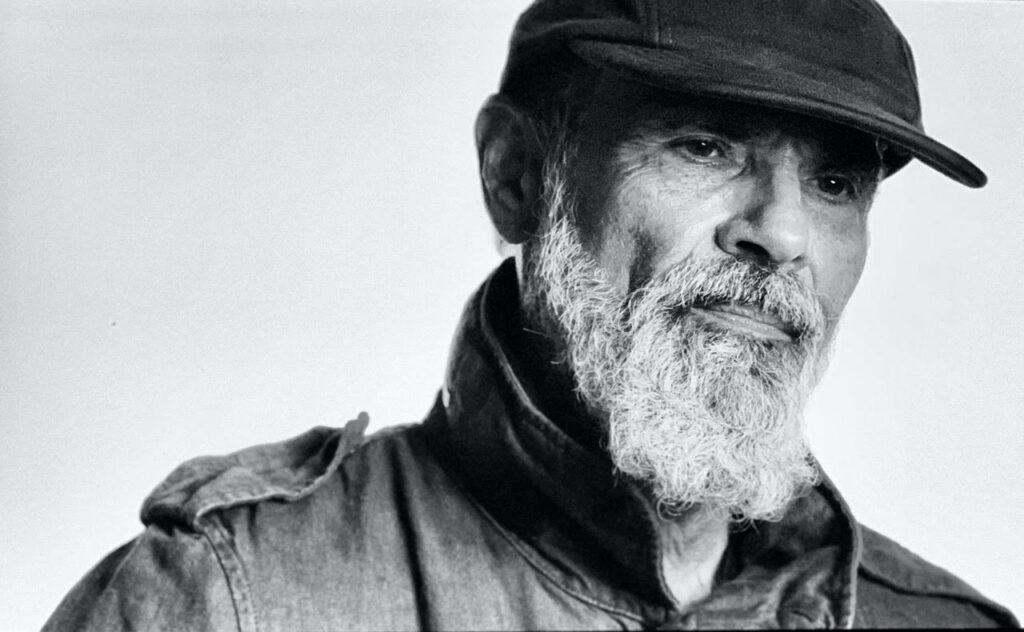
Hai scritto per artisti straordinari come Dolly Parton e Reba McEntire: quando scrive per sé stesso, cosa cambia emotivamente?
In realtà non cambia molto, se non per il fatto che quando scrivo per me stessa ho una libertà emotiva che mi permette di scavare a fondo e arrivare all’essenza della questione, così come la vivo, libertà che invece è limitata quando scrivo per qualcun altro. Ogni volta che scrivo, per me stessa o per altri, cerco sempre di raggiungere la verità emotiva.
È questo che risuona con chi ascolta, quando si riconosce in ciò che scrivo.
Nel caso di Dolly Parton, ha inciso una canzone che ho scritto sul divorzio dei miei genitori, intitolata Starting Over Again. Quindi, anche se l’ha incisa lei, per me era comunque molto personale. In una canzone come Tell Me, I’m Not Dreaming di Michael e Jermaine Jackson, il messaggio è più universale: è la storia di un amore inaspettato e spero che tutti noi l’abbiamo provato.
Quando ho l’opportunità di incontrare un artista per cui scrivo, cerco di capire chi è e cosa prova, in modo da poter plasmare la storia e l’emozione della canzone in modo più intimo e personale. Così, quando le parole escono dalla loro bocca, possono cantarle come se ci credessero davvero.
Nelle canzoni c’è sempre una forte componente narrativa: si sente più un osservatore del mondo o un interprete delle emozioni?
Credo che entrambe le cose siano vere e che interagiscano tra loro. Sei sia un osservatore delle cose che un interprete delle emozioni. Alcune canzoni tendono più in una direzione o nell’altra, ma tu osservi, senti, senti e rifletti. È cuore, mente e spirito uniti.
Il percorso è legato anche a una figura iconica come Donna Summer: quanto quel legame continua a vivere nella sua musica oggi?
Donna ed io avevamo gusti musicali molto simili. In generale, amavamo le stesse cose. Allo stesso tempo, siamo due artisti diverse, quindi il modo in cui interpretiamo le cose è naturalmente individuale.
Credo che il nostro legame risieda nel fatto che io continuo a essere fedele a me stesso, proprio come lei è stata fedele a se stessa.
In questo album si percepisce una certa “nudità sonora”: è una scelta che libera o che espone di più l’artista?
Beh, ho sempre creduto fermamente nel principio “meno è meglio”. Penso che sia facile che l’emozione e l’intenzione di una canzone vengano soffocate dalla produzione. È una dinamica che si ripete sempre quando si realizza un disco. Quindi, per quanto riguarda Sketch Book, è stato liberatorio e, allo stesso tempo, spero che metta in luce maggiormente l’aspetto artistico. Questo è ciò che considero l’obiettivo.
Better Angels sembra portare un messaggio di speranza: è difficile, oggi, restare fiduciosi?
La speranza è essenziale per tutti noi e sì, a volte può essere difficile, ma non dobbiamo mai perderla. In Better Angels, ho reagito all’aggressività e all’animosità che vediamo provenire dalle persone in questi giorni. Volevo solo dire, in modo semplice, che va bene essere gentili. La gentilezza non è una debolezza. È una virtù. Purtroppo, viviamo in un momento in cui la falsa spavalderia viene spacciata per forza. Questa è una costruzione illusoria e non ci fa bene.
Il rapporto tra testo e melodia nei suoi brani è sempre molto delicato: da dove nasce prima una sua canzone, dalla parola o dal suono?
Può succedere in entrambi i modi. Mi piace prendere uno strumento, sedermi, suonare e vedere cosa mi suggerisce l’ispirazione. Quando sono fortunato, mi imbatto in un po’ di magia e da lì cerco di trasformarla in una canzone.
Cosa sto cercando di dire? Cosa evoca?
A volte è una parola, a volte una melodia, o una progressione di accordi e, soprattutto, ho imparato a registrare sul telefono così, quando succede, non me lo perdo.
C’è un brano di Sketch Book che sente più rappresentativo del momento che sta vivendo adesso?
Credo che dovrei citare Watching Darkness Fall, ma allo stesso tempo, penso che tutte le canzoni di questo album siano rappresentative del momento presente, pur considerandole momenti senza tempo. Momenti come questi sono già accaduti e accadranno di nuovo. Sono specifici del presente, ma anche del passato e del futuro. Riflettono pensieri e sentimenti umani universali, e situazioni che si ripetono continuamente.
Dopo tanti anni di carriera, cosa ti emoziona ancora nel processo creativo?
Per me, è la libertà di evadere. Dove il tempo e la realtà scompaiono. Dove sono completamente coinvolto ed entusiasta della sfida di creare qualcosa dal nulla. È un luogo così familiare e confortevole per me. È dove so chi sono e mi sento realizzato e completo.
Se dovessi descrivere questo album come un luogo, che tipo di spazio sarebbe?
Sarebbe un luogo che ti fa sentire a casa. Un posto dove ti senti a tuo agio, circondato da un ambiente che ti rappresenta. Un luogo che hai costruito lentamente nel tempo, che non è né troppo ordinato né disordinato, dove sai dove si trova ogni piccola cosa e hai tutto ciò di cui hai bisogno.
Quanto è importante, lasciare spazio all’ascoltatore, senza “guidarlo” troppo dentro la canzone?
È interessante riflettere su questa domanda, perché in realtà, mentre creo queste canzoni e questi dischi, il mio compito principale è ascoltare! Quindi, in un certo senso, sono l’ascoltatore numero uno. Sono la prima persona ad ascoltarlo, quindi se riesco a sentirlo io, credo che anche qualcun altro possa sentirlo. Dovrebbe apparire come un invito all’ascolto.
Guardando avanti, Bruce: senti di avere ancora qualcosa da dimostrare o semplicemente qualcosa da condividere?
Beh, di certo non sto cercando di dimostrare niente, solo di continuare a fare ciò che amo e di migliorare nel farlo. A volte ho la sensazione di aver dimenticato più di quanto sappia ora, ma rimango nel presente e traggo ispirazione da ciò che mi viene dato. Condividere mi aiuta a sentire di dare qualcosa a qualcuno, magari per non farlo sentire solo nei suoi pensieri o sentimenti, per offrirgli un po’ di speranza e incoraggiamento o una via di fuga dalla sua realtà. Allo stesso tempo, mi dà la sensazione di non parlare nel vuoto.
Traduzione e Adattamento: Carla Zerbi ufficio stampa ROUGE Promozione Musicale
—
English version:
Sketch Book feels almost like an open diary, when did you realize these songs needed to live together in such an essential way?
With the release of the single Watching Darkness Fall a couple of months ago, I recognized that I was compiling a group of songs that related to each other sonically while also reflecting an emotional currency. I think the biggest change for me has to do with the word immediacy. In the past you would write a song, you would go in the studio, you would produce an album. It would take time, you would set a release date months down the road, but now all that has gone out the window. Especially with the way current events play out these days, the speed of which things happen and get reported, an artist can respond to things in the moment. We have the opportunity to create and react in real time. I can write it and release it. So the songs on Sketch Book are both emotionally and socially current from my perspective.
There’s a great sense of “truth” in this record: how important is it today to strip everything away and leave only the essence of a song?
As a Songwriter, you’re always trying to tell a story, create a feeling, an atmosphere that resonates with a listener on different levels. When you strip things away, there’s not much to distract you from the lyric and the melody. Here, I’m not so much stripping things away but rather using lighter touches, trying to make every sound count. It’s a subtlety, so it feels like you’ve stripped things away even when in many cases you haven’t. Certainly on this record putting forth “my truth” both socially and emotionally was paramount in my mind but that usually is the case with me even with bigger productions. It just here there aren’t many places to hide.
The title evokes the idea of a sketch, something immediate: does this represent a return to the origin of your songwriting?
I really don’t see it as a return, but more of an evolution. This record is more of a situation where I allowed myself to play alone in the paint box and once the picture was clear and resonant, I considered it finished. The cohesion of singularity.
Listening to songs like Watching Darkness Fall, you get a very careful look at the present: what strikes you most about the times we are living in
I think there’s a sense that so much is out of our control and we’re all just subject to the things that are happening around us. We’re bystanders. There’s a frustration and a sense of helplessness in this. So, the focus has to be on controlling what you can. As I sing in the song, “just trying to take care of my own little world and stay close to the ones that I love.”
You wrote for extraordinary artists like Dolly Parton and Reba McEntire: when you write for yourself, what changes emotionally?
Really not much changes, except when writing for myself there’s an emotional freedom I have to dig down deep and get to the soul of the matter as I experience it that when writing for someone else can be restricted. Whenever I write, for myself or otherwise, I’m always striving for emotional truth.
That’s what resonates with a listener, when they can recognize themselves.
In the case of Dolly Parton, she recorded a song that I wrote about the divorce of my parents, called Starting Over Again. So even though she recorded it, it was still very personal to me. On a song like Tell Me, I’m Not Dreaming by Michael and Jermaine Jackson, the message is more universal, it’s a story of being surprised by love and hopefully we’ve all experienced that.
When I do have the opportunity to meet an artist that I’m writing for, I will try to get an understanding of who they are and what they are feeling so I can craft the story and emotion of the song more closely and personal to them. So when the words come out of their mouth, they can sing it like they believe it.
There’s always a strong narrative component in your songs: do you feel more like an observer of the world or an interpreter of emotions?
I feel like both are true, and they both interact with each another. You are both an observer of things and an interpreter of emotions. Some songs lean more heavily in one direction or the other but you observe and you feel and you feel and reflect. It’s heart, mind and spirit combined.
Your path is also linked to an iconic figure like Donna Summer: how much does that bond continue to live in your music today?
Donna and I had very similar taste in music. We generally loved the same things. At the same time, we’re two different artists so the way we translate things would naturally be individual.
I think the bond exists in the concept that I continue to be true to myself as she was true to herself.
In this album, there’s a certain “sonic nudity”: is this a choice that liberates you or exposes you more as an artist?
Well, I’ve always been a big believer in less is more. I think it’s easy for the emotion and intention of a song to get buried in the production. That’s always the dance that goes on when you’re making a record. So as it applies to Sketch Book, it has been liberating and at the same time hopefully it does expose more of the artistry. I see that as the goal.
“Better Angels” seems to carry a message of hope: is it difficult, today, to remain hopeful?
Hope is essential for all of us and yes, it can be difficult at times but we can never lose hope. In Better Angels, I was really reacting to all the aggression and animosity that we see coming from people these days. I just wanted to say, in a simple way, it’s OK to be kind. Kindness isn’t a weakness. It’s a virtue. Unfortunately, we’re living in a moment when false bravado is paraded as strength. This is a fake construct and it doesn’t serve us well.
The relationship between lyrics and melody in your songs is always very delicate: in your songwriting process, where does a song usually start, with the word or the sound?
It can happen either way. I like to go to an instrument, sit down, play and see what the spirit brings. When I’m lucky I stumble on a bit of magic and from there, I can try and build it into a song. What am I trying to say? What does this evoke? Sometimes it’s a word, sometimes a melody, or a chord progression and most importantly I’ve learned to hit record on my phone so that when it happens, I don’t miss it.
Is there a track from “Sketch Book” that you feel more representative of the moment you’re living now?
I guess I would have to say Watching Darkness Fall but at the same time, I feel all of the songs on this record are representative of the moment, but I see them as timeless moments. Moments like this have happened before and will happen again. They’re specific to the now but also to the past and the future. They reflect universal, human thoughts and feelings, and situations that happen time and again .
After such a long career, what still moves you and thrills you about the creative process?
For me, it’s the freedom of escape. Where time and reality disappear. Where I’m fully engaged and excited in the challenge of making something out of nothing. It’s such a familiar and comfortable place for me to be. It’s where I know who I am and I feel purposeful and complete.
If you had to describe this album as a place, what kind of space would it be?
It would be a place that feels like home. Where you feel comfortable, surrounded in an environment that is personal to you. One that you’ve put together slowly over time, that is neither too neat nor disheveled, where you know where every little thing is and you have everything you need.
How important is it to leave space for the listener, without “guiding” them too much into the song?
So it’s interesting, in thinking about this question because really as I’m creating these songs and these records, my main job is listening! So in a sense I’m the number one listener. I’m the first person to hear it, so if I can hear it, I believe somebody else can hear it as well. It’s should appear as an invitation to listen.
Looking ahead, Bruce: do you feel like you still have something to prove or simply something to share?
Well I’m certainly not trying to prove anything, only to continue to do what I love and get better at doing it. Sometimes I feel like I’ve forgotten more than I know now, but I stay in the present and draw from the inspiration I’m given. Sharing helps me to feel like I’m bringing something to someone, maybe so that they don’t feel like they’re alone in what they think or what they feel, give a little bit of hope and encouragement or an escape from their own reality. Also, at the same time, it gives me a sense that maybe I’m not speaking into a vacuum.